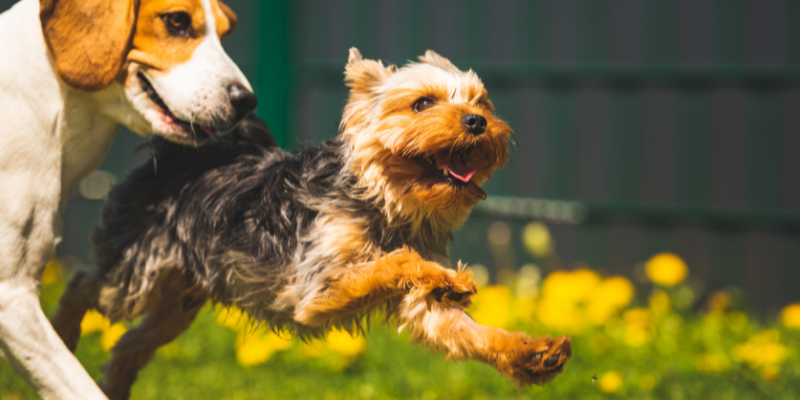
Uh oh – your dog “unleashed” in the great outdoors over the weekend, living their best active life, but now it’s Monday morning and they’re looking sore and sorry for themselves. What could be the problem?
Here’s the breakdown on what’s often referred to as “weekend warrior syndrome”, including what it can involve, how to prevent it in your dog, and signs that your pet should be assessed by a vet.
What is weekend warrior syndrome?
Weekend warrior syndrome is a variety of musculoskeletal injuries that can occur when your pet suddenly partakes in intense exercise or activity that they haven’t been conditioned to.
What problems can “weekend warrior” pets be at risk of?
Unconditioned or overweight pets can be more at risk of:
- Muscle soreness – known as DOMS (delayed onset muscle soreness), this is the pain, stiffness and tenderness felt in muscles 24-72 hours after participating in exercise that the pet wasn’t accustomed to, and is due to microscopic tears and inflammation in muscle fibres.
- In severe cases, rhabdomyolysis can occur – this is when rapid muscle breakdown occurs, releasing large quantities of muscle cell contents into the bloodstream, which can cause potentially life-threatening damage to the kidneys if not treated early.
- Muscle or ligament strains or tears, such as:
- Damage to the cruciate ligament – this is most commonly a gradual process, with progressive fraying of the ligament (causing intermittent lameness and soreness in a hindleg after exercise) until the ligament eventually completely ruptures.
- Iliopsoas strain – this is an injury of the hip flexor muscles in the groin, often caused by overstretching, e.g. when a dog makes a sudden, high-speed turn after a ball.
Additionally, pets participating in intense exercise can be at a higher risk of suffering from potentially deadly heat-related illness or breathing difficulties, particularly if they are unfit, overweight, thick-coated, or brachycephalic (snub-nosed), or the weather is hot or humid.
How can we help to prevent weekend warrior syndrome in dogs?
While it can be fun to let your dog “run free” on a weekend, it’s important that we monitor and regulate them to ensure that they don’t excitedly overexert themselves, particularly if they haven’t been gradually conditioned to that activity or if it’s hot or humid weather.
Signs that your dog is overdoing it include:
- Heavy panting
- Excessive drooling
- Weakness or wobbliness
- Shaking legs or an abnormal gait
- Darker red gums or tongue
If your dog is showing any of the above symptoms, confine them somewhere cool and well-ventilated to rest for several hours, ensure they have free access to water, and monitor them closely for any worsening in their condition. If it’s warm weather, you may also need to wet your pet from the neck down with cool water.
When should a “weekend warrior” pet see a vet?
Your pet should see a vet urgently if they demonstrate symptoms such as:
- Sudden severe limb pain, lameness or stiffness
- Dark brownish coloured urine (which can indicate muscle breakdown)
- Difficulties breathing
- Muscle tremors, collapse, or an inability to walk
- Signs of confusion, dizziness or reduced consciousness
If you’d like more information on musculoskeletal health, comfort and conditioning in dogs, consult our canine-competent team!