With dental treatment being one of the most common procedures that we see our canine and feline patients for, we thought we’d shine the spotlight on routine “dentals” and exactly what is involved.
Here’s what happens during the average pet dental procedure.
1. Drop-off
When your pet is signed in, we will clarify a few important safety details, such as:
- Have they been starved of food overnight (as this helps reduce their risk of vomiting under anaesthesia, which can cause pneumonia if vomit is then breathed in)?
- Have they received any routine medications or are they due for any (such as anti-seizure drugs or heart support medications)?
- Have they been generally well in the last few days (i.e. not showing any lethargy, vomiting or significant diarrhoea that could indicate a developing unwellness)?
2. Pre-anaesthetic checks
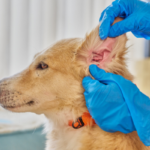
Even if we know your pet well, it’s still safest for us to check them over prior to surgery to ensure that there are no new signs of unwellness that could increase their anaesthetic risk.
Depending on your pet’s age, health status and medical history, as well as checking their “vital signs” (demeanour, heart rate and quality, breathing rate and quality, gum colour, body temperature), we may also suggest other assessments such as pre-anaesthetic blood tests.
3. Pre-medication and preparation
Once your pet gets the green light to go ahead with their procedure, we will prepare them with:
- A calming sedative “cocktail”, which will also contain pre-emptive pain relief – this helps to keep your pet calm and make their anaesthetic and recovery as smooth and comfortable as possible. The particular combination and dose of drugs is tailored to be most appropriate for your pet’s individual energy levels, behaviour and health status.
- Placing an intravenous catheter, so we can administer medications and fluids straight into their vein to help support their blood pressure.
4. The dental procedure
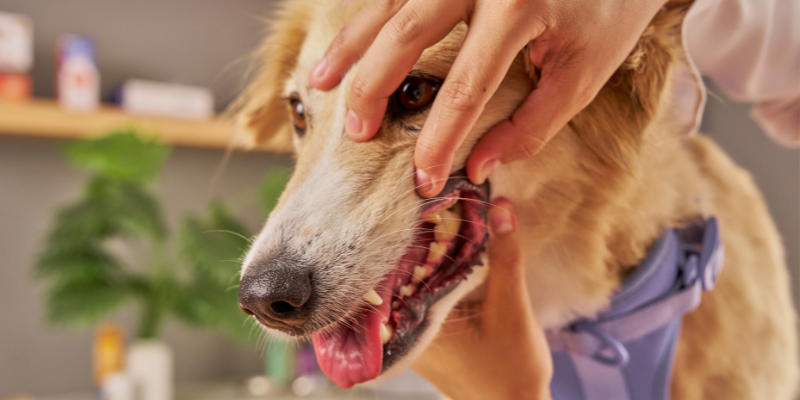
The usual dental procedure involves assessing and documenting your pet’s dental health, known as “charting”. Depending on their age and oral health, this may ideally include dental x-rays to check their jaws and tooth roots too. Your pet’s teeth will then be cleaned and polished using an ultrasonic scaler and an electric polishing device, just as they are in people.
If tooth extractions are required, these may be performed on the same day or rescheduled for a second procedure another day if two shorter procedures are deemed to be the safer option for your pet.
Recovery
As your pet recovers from their anaesthetic, they will have their vital signs monitored and will be kept warm until they are able to move around on their own. They will often be a little drowsy and wobbly that evening, although they should be largely back to normal by the next day. They may require several days of medications and a few weeks of soft food if they’ve undergone extractions.
The overall result? A clean, healthy, comfortable mouth for your pet!
For more information on dental health maintenance in dogs and cats, consult our knowledgeable team.