
Vet News
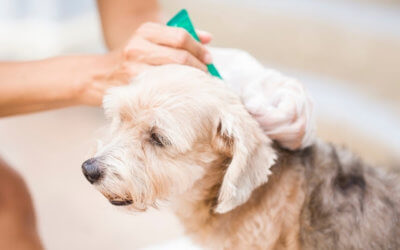
Protecting your pet with vaccinations and flea/tick prevention
Regularly vaccinating your pet is important to protect them against various potentially fatal or debilitating infectious diseases.
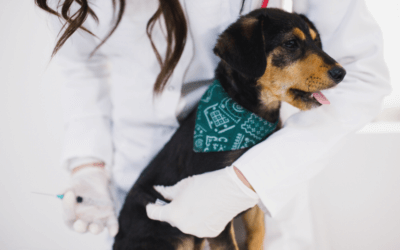
The Routines: Keeping your pet healthy
Keeping our pets happy and healthy is a top priority, so having a good handle on routine dog or cat preventative health care is a great start! Vaccination We recommend all dogs and cats get vaccinated. This generally involves a series of three puppy/kitten vaccines,...
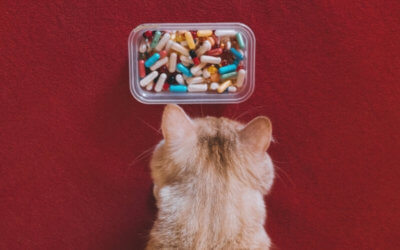
Tips for Medicating Your Pet
Many common veterinary treatments, such as worming products and antibiotics, require owners to regularly administer oral medications to their pet. Whilst some pets will obligingly allow tablets to be popped down their throat, or at least eat them in food, other pets...

Warm weather hazards
We all love spending time outdoors on these long summer days, and our pets are no exception! The increased activity is great for their mental and physical health. To prevent some common warm-weather hazards from raining on your pet’s parade, follow these summer safety...
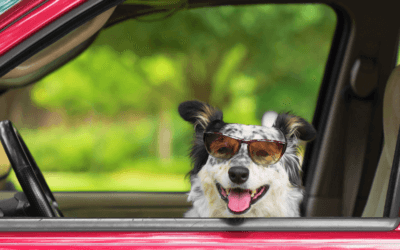
Holidaying with your pet
Is your pet joining you for a Christmas holiday trip? Follow these basic pet travel guidelines to keep everyone merry! Making a list and checking it twice Pets away from home can easily get disoriented and lost. Before you travel, check that your pet’s microchip...
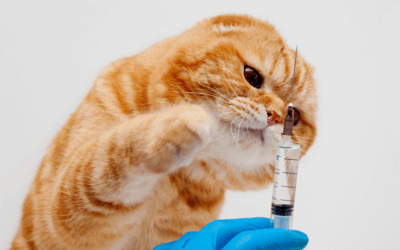
Keeping your pet up-to-date with parasite prevention
With increasing day length and warmer weather, most of us, including our pets, will be enjoying more time spent outdoors. It’s always important to ensure your four-legged friend is up-to-date with routine disease and parasite prevention, but especially so at a time of...
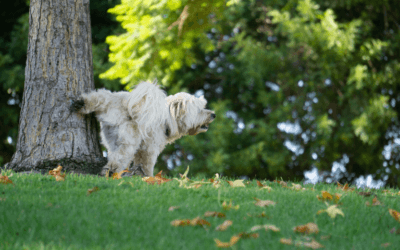
A little bit of wee goes a long way
A urine test is a simple and effective method for us to check the health of your pet’s urinary system. A urine test provides a large amount of information on the health of your pet and can be helpful in identifying conditions such as bladder stones and obstructions,...
Nail clipping- teaching your dog not to be ticklish
Dogs have more ticklish and sensitive feet than we do. Their feet have nerve endings that can detect the speed, direction and surface a dog is running over without them needing to watch exactly where they tread. Consider that, and now consider how many people dislike...

Top tips for itchy skin
When it comes to managing the itchy pet, there is no magic pill. It's all about prevention of parasites and taking action before things get out of control. Itchy skin can really affect your pet’s quality of life. One of the most common and frustrating conditions we...
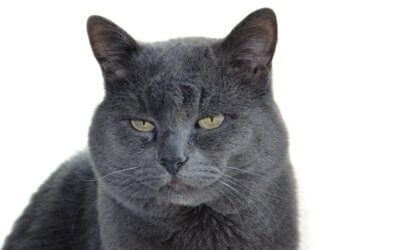
How to care for an elderly cat
Thanks to better nutrition, disease prevention and proper home care, cats are now living longer than ever before. Senior cats have recently been redefined as cats over the age of 11 years, but it’s not uncommon for us to see a ‘super-senior’ feline over the age of 15...

What to do if your pet has tummy troubles
At some point in your pet's life, they will probably experience a gastrointestinal upset. Symptoms may include vomiting, diarrhoea and nausea. It can be distressing for you and your pet, and it's sometimes hard to know what you should do. We have simplified the facts,...

Understanding canine cruciate ligament disease
“Oh no! My dog isn't a footballer but could he have just 'done his knee?" One of the most common orthopedic conditions we see in dogs is cranial cruciate ligament disease, which is actually very similar to the injury seen in humans on the sporting field - rupture of...

COVID-19 and Pets – What You Need To Know Now
Updated 17th November 2022 AS RESTRICTIONS CONTINUE TO EASE, OUR COVID-19 CLINIC PROTOCOL WILL BE CHANGING WE ARE EXCITED TO ANNOUNCE THAT CLIENTS ARE NOW WELCOMED BACK INTO THE CLINIC! So what does this mean for you and your pet? Please call the clinic to arrange any...
COVID-19 AND YOUR PET
Due to the recent COVID-19 outbreak, we have had a number of clients concerned about their pets wellbeing. We would like to assure all our clients that currently, there is no evidence that cats or dogs can be a source of Coronavirus infection or can transmit the...
Keeping Your Pet Busy During the Coronavirus Isolation
With social isolation and home lockdown, a common question we get asked is, ‘Besides walks, how can I keep my pet entertained?’ Here are our top 10 suggestions!1: Remove the food bowl Getting rid of the food bowl is the most important thing you can do for your pet!...